Living Bronze: How Anton Smit’s Sculptures Mirror the Architecture of the Mind
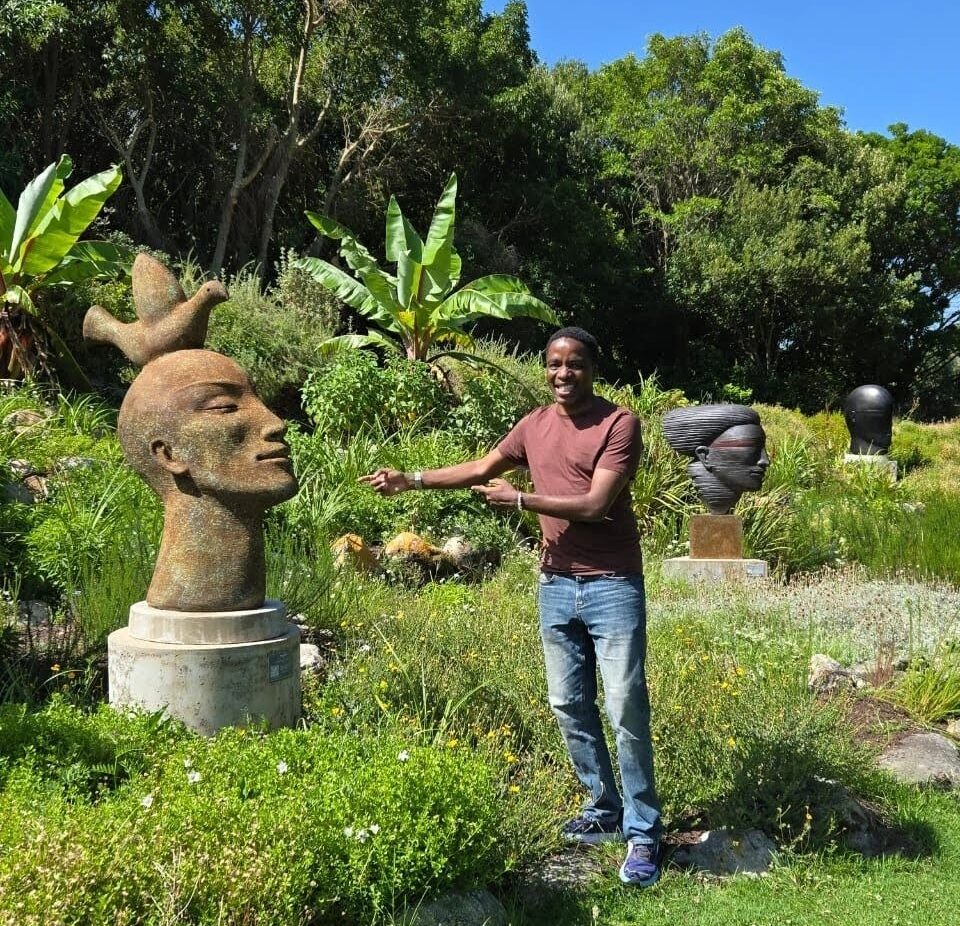
Art has a profound way of holding a mirror up to our internal landscapes. Recently, a visitor to our Art Meets Nature exhibition at Kirstenbosch National Botanical Garden shared a deeply moving reflection. Walking among Anton Smit’s colossal bronze heads, they saw far more than striking silhouettes set against the dramatic slopes of Table Mountain, they saw a breathtaking physical manifestation of the human mind, neuroplasticity, and the journey of personal growth.
The Chiseled Edge of Survival
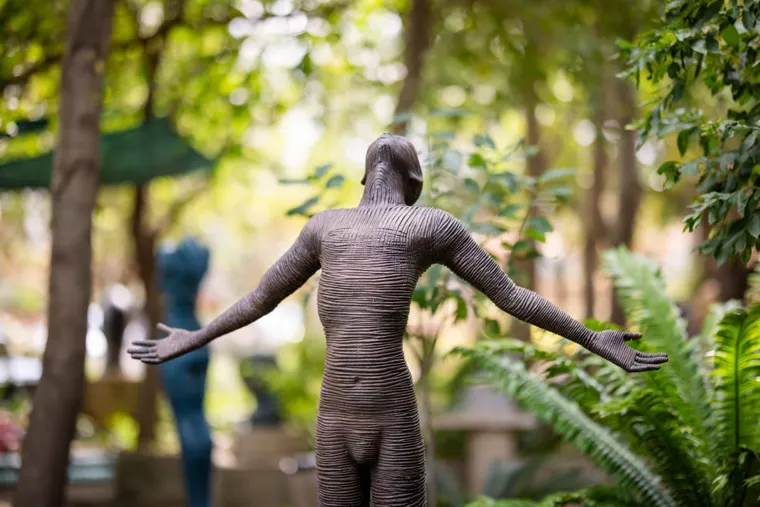
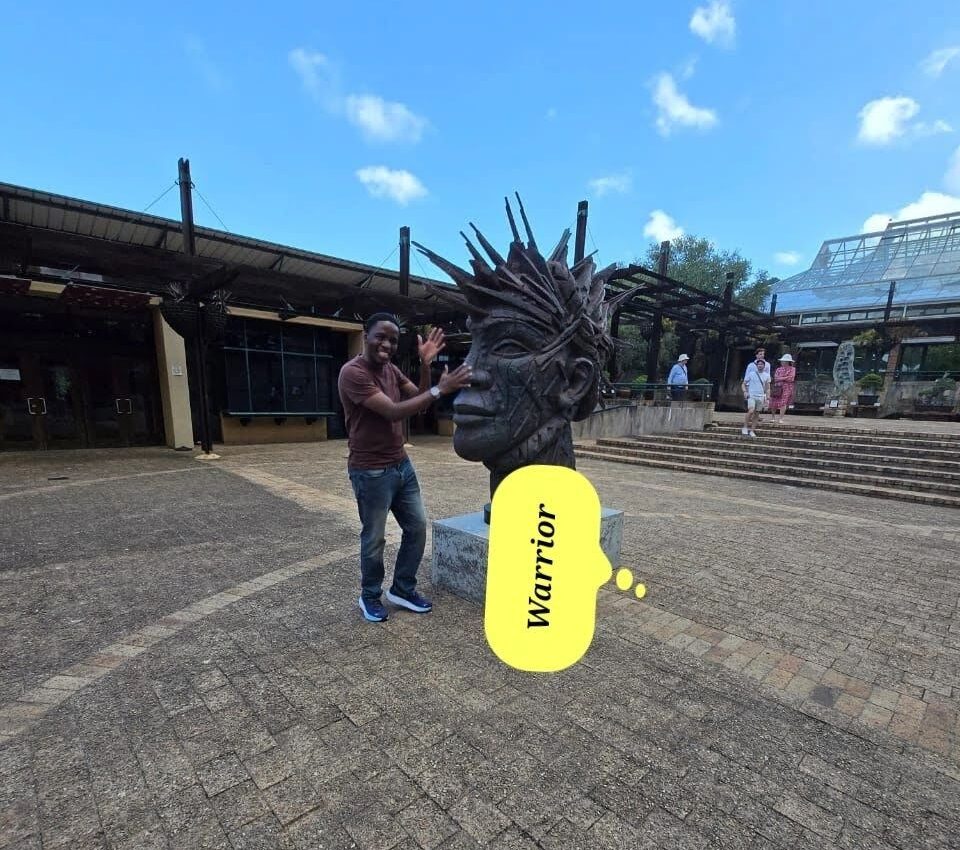
Anton’s hauntingly beautiful figures often feature intentional “cracks,” “hollows,” and rough, textured surfaces that look as though they were forged in fire and weathered by the elements. For this visitor, these profound details brought to mind how our early experiences and childhoods “sculpt” who we become.
When life brings adversity, the brain sculpts itself for protection. Our internal threat detectors become large and powerful. In our careers, this often manifests as the “high-alert” professional, someone who is brilliant at spotting risks but may struggle to let their guard down. As the visitor beautifully noted: The “cracks” in these sculptures aren’t weaknesses; they are the proud marks of how you survived the storm.
Open Spaces and “Growth Mode”
Contrasting the deeply textured pieces are sculptures in the garden that feel expansive, open, and undeniably compassionate. These works mirror a mind wired by safety and empathy.
When we feel truly safe, we lean into our prefrontal cortex, the center for innovation and connection. In the workplace or within a family, this leads to “Growth Mode.” It represents a state where individuals navigate challenges and conflict with grace because their internal wiring tells them they are safe, not under attack.
We Are “Living Bronze”
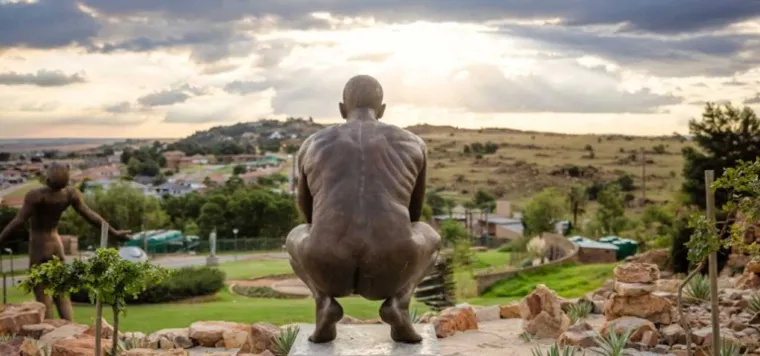
Perhaps the most profound takeaway from the Kirstenbosch exhibition is how Anton Smit’s art is explicitly meant to interact with its environment. Set amidst the magnificent flora, the sculptures change dynamically with the shifting light, the rain, and the natural growth around them.
Our minds do exactly the same. Even if our early “sculpting” was jagged or painful, we are not finished statues. We are “living bronze.” By immersing ourselves in compassionate cultures and embracing mindfulness, we can literally reshape our neural pathways, smoothing out our survival instincts to favor growth over fear.
The raw material of our past may have started the sculpture, but we are the artists who continue to shape it. The very cracks we carry often become the exact places where new light and wisdom shine through.
How Are You Sculpting Your Environment?
This beautiful reflection leaves us with a compelling question for leaders, parents, and community members: How are we “sculpting” the environment for our teams and families today? Are we providing the safety needed for individuals to step out of survival mode and do their best work? As the visitor concluded, embracing this compassionate design is our greatest way to live, love, and dignify one another.
We invite you to experience the transformative power of these works in person. Wander through the Kirstenbosch exhibition, or visit our broader Art Meets Nature installations at the Walter Sisulu and Pretoria National Botanical Gardens, and discover what the “living bronze” stirs within you.
Explore the Kirstenbosch Exhibition Details | View & Enquire About Available Artworks